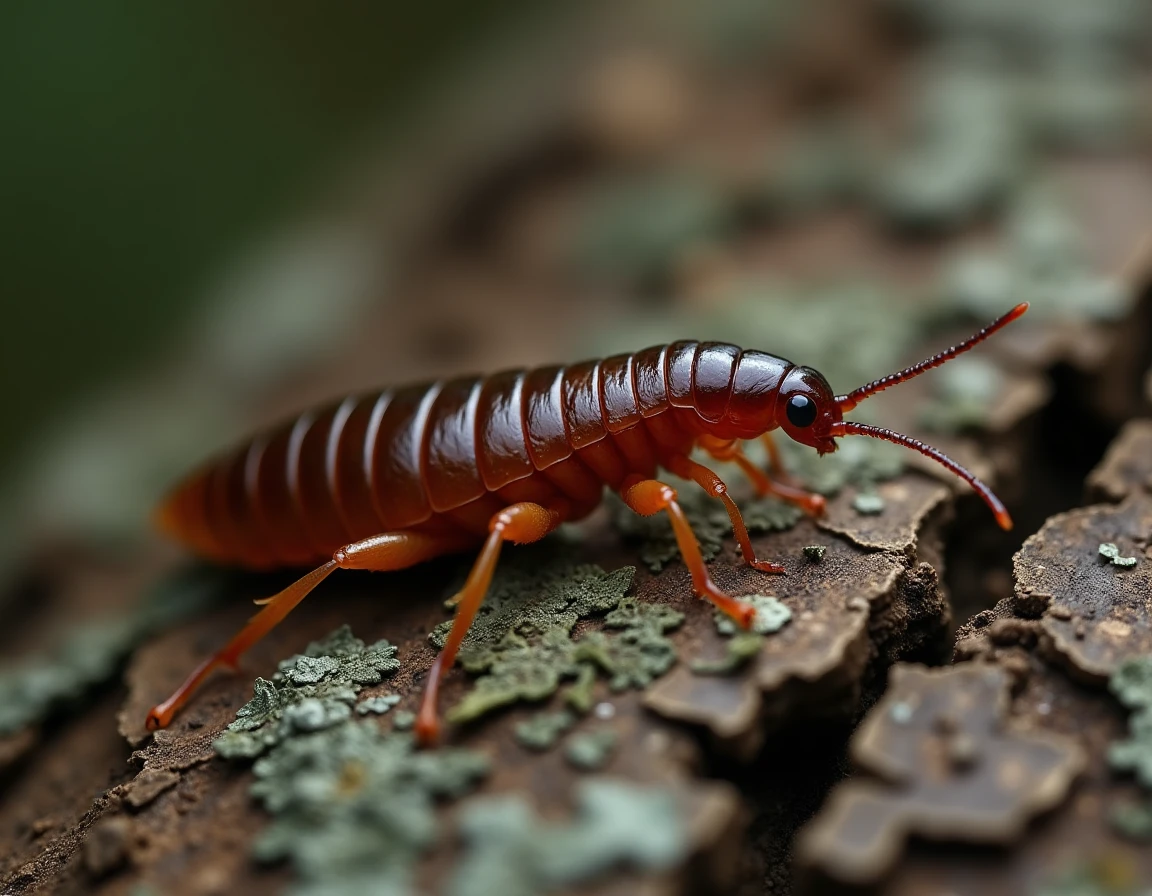
The ophone is a beetle often confused with the cockroach due to its dark, elongated silhouette. This confusion generates pest control requests every summer, even though this insect poses no health risk to the inhabitants of a dwelling.
Welded elytra and domed body: recognizing an ophone by its morphology
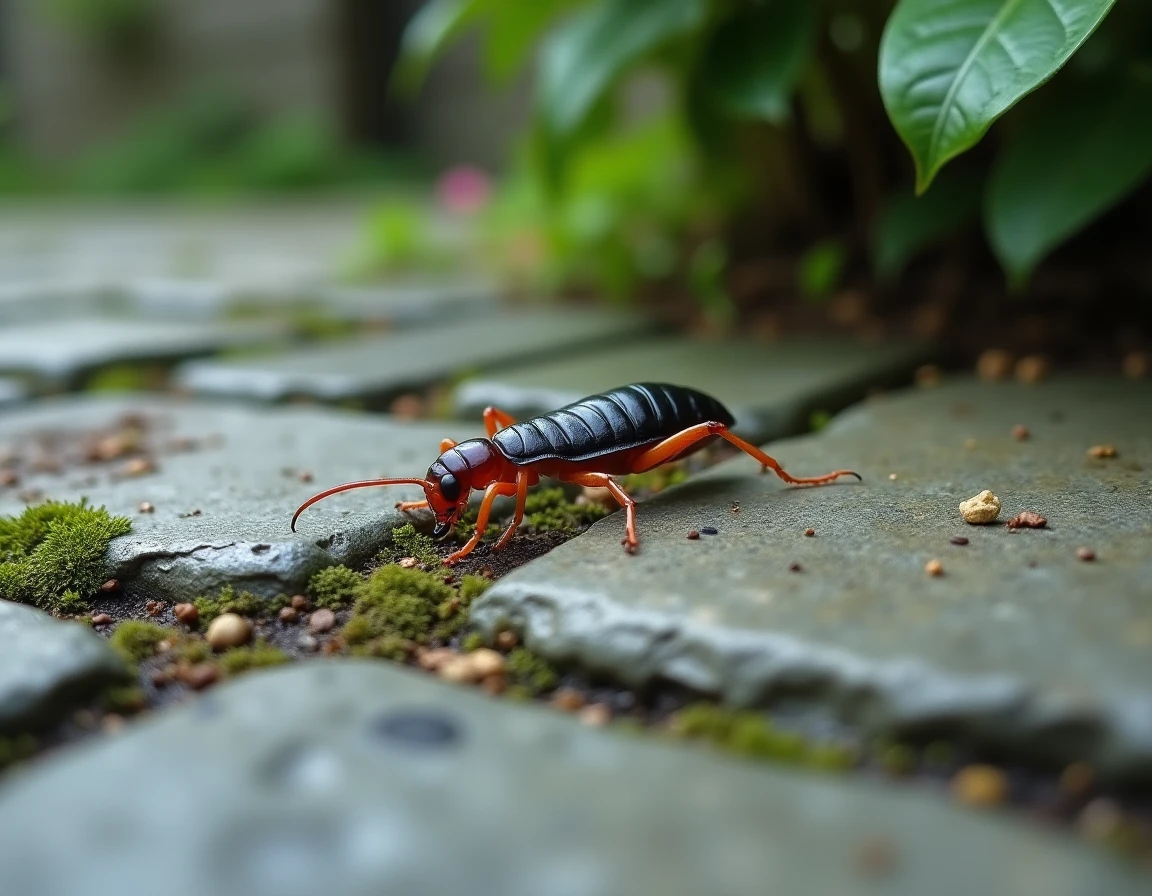
The first identification reflex relies on touching the back of the insect. The ophone has hard and welded elytra, characteristic of beetles. These two rigid parts form a protective shell that can be felt on contact, whereas the cockroach has a flattened body covered with soft and sometimes translucent wings.
The antennae provide a second distinguishing criterion. In the ophone, they are significantly shorter than in the cockroach, whose thread-like antennae often reach the length of the entire body.
The profile silhouette completes the observation. The abdomen of the ophone forms a rounded dome. The cockroach is much flatter, an adaptation that allows it to squeeze into gaps of just a few millimeters. To learn more about the ophone insect, the morphology of the elytra remains the starting point for any correct identification.
Ophone and cockroach: two opposing relationships to human habitat
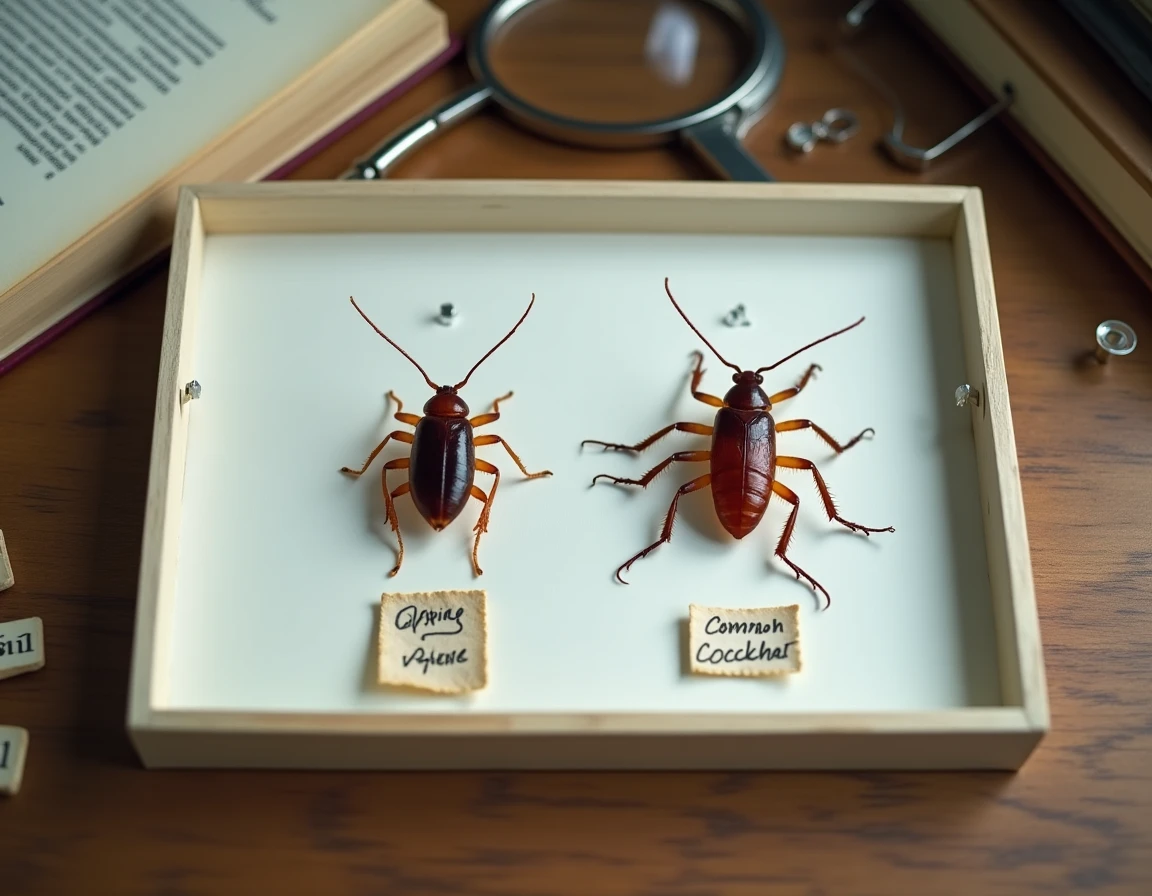
Both insects move at night, which fuels the confusion. Encountering either in a kitchen or bathroom triggers the same panic reaction. The distinction is made based on each insect’s usual living environment.
The ophone lives outdoors: under stones, in garden walls, basements, or woodpiles. Its entry into a dwelling is accidental, attracted by artificial light or a temperature differential. It does not find anything to survive long-term.
The domestic cockroach, whether it is the German cockroach or the oriental cockroach, actively seeks warmth, moisture, and food scraps. Its presence during the day indicates an already established colony. The ophone, on the other hand, appears alone or in very small numbers, which is already a reassuring sign.
The flight speed test
A cockroach startled by light scurries toward the nearest crack. This quick escape reflex is one of its most reliable behavioral markers. The ophone reacts differently: it slows down or even freezes. This contrast in reaction often helps to determine the identity of the intruder without needing to handle the insect.
Taxonomy of the ophone: a beneficial ground beetle
The ophone belongs to the family Carabidae. No species in this family consumes stored food in a dwelling.
Cockroaches belong to the order Blattodea, a taxonomic group unrelated to carabids. The superficial resemblance hides a completely different biology.
- The ophone never forms a colony inside a dwelling, even in a humid environment that might seem suitable for it.
- It does not frequent plumbing or household waste, and therefore does not carry the pathogenic bacteria associated with domestic cockroaches.
Treating an ophone with an insecticide is unnecessary and counterproductive. This insect contributes to the recycling of organic matter in gardens and peri-urban natural spaces. Eliminating it means removing a discreet ground ally.
Identifying an ophone at home: three checks before calling a professional
On naturalist forums, identification requests often show an ophone while the initial diagnosis mentions a German cockroach. Three quick checks can help avoid an unnecessary pest control intervention.
- Touch the back of the insect with a glove or a piece of paper: a hard and rounded surface indicates a beetle, not a cockroach.
- Observe the antennae: short and segmented, they correspond to the profile of an ophone; long and thin, to that of a cockroach.
- Count the individuals: a single specimen in a garage, laundry room, or basement corresponds to a lost ophone. Several insects in the kitchen or bathroom warrant a more thorough examination.
What to do if it is indeed an ophone
The simplest method is to trap the insect under a glass and then place it outside near a wall or a pile of stones. The ophone does not return to the dwelling on its own. Closing air passages under doors leading outside and reducing outdoor nighttime lighting limits accidental entries.
If visual identification remains uncertain, a clear photo of the back and antennae sent to an online entomology group is usually enough to get a reliable answer within a few hours. This photographic reflex avoids paying for a professional diagnosis for a harmless insect.