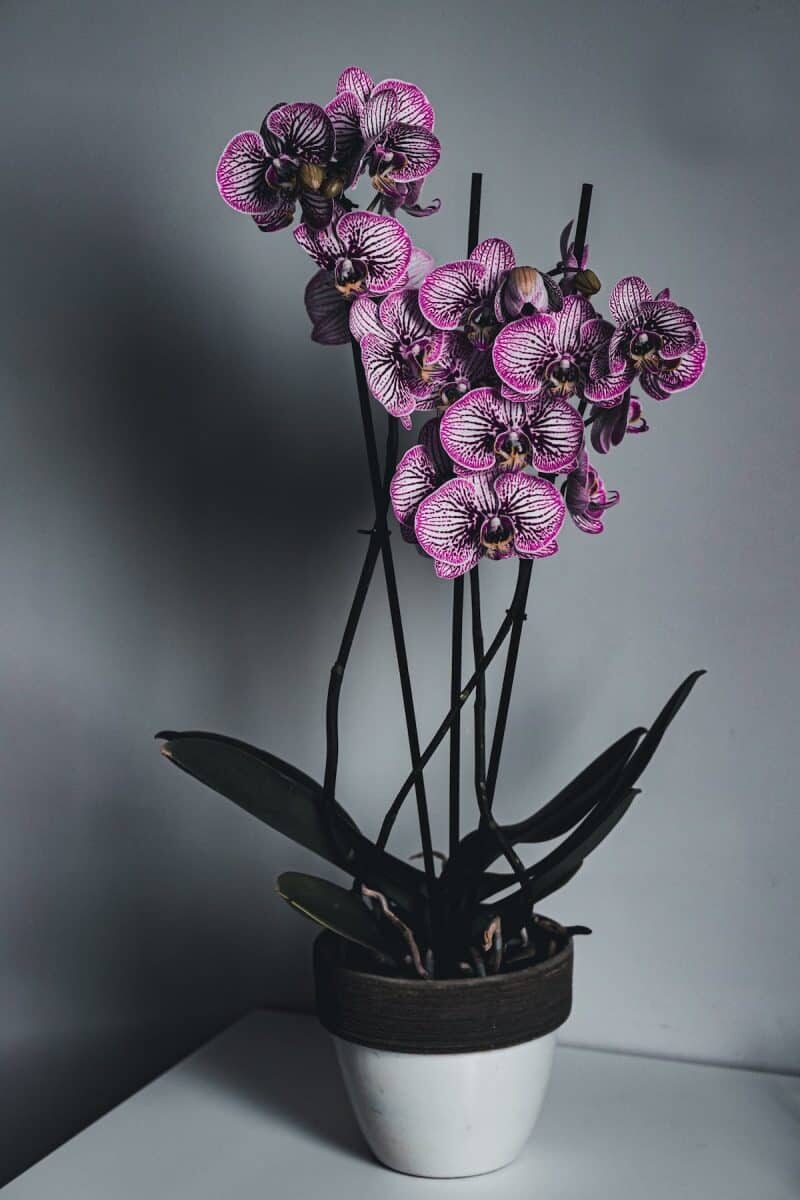
Of fragile and delicate beauty, the orchid is a plant that fascinates and seduces. When its leaves lose their vigor and luster, many give up, convinced they are dealing with a doomed plant. However, nothing could be further from the truth. Even when wilted, the orchid can be saved and regain its former splendor. But for that, you need to know a few tricks. Indeed, bringing a wilted orchid back to life requires a bit of patience, know-how, and attention. This guide offers tips so that your orchid can once again beautify your home.
Wilted Orchid: Spotting Signs of Distress
The possible causes of wilting in an orchid are numerous and often linked to cultural errors. It could be due to too much or too little light, excessive or insufficient humidity, inadequate watering, poor substrate quality, or even an attack by specific diseases.
In some extreme cases, these unsatisfactory conditions can lead to what we all dread: a dead orchid. But how can you distinguish between a plant that simply seems weak and one that has definitively breathed its last? Wilted leaves and soft roots might give the impression that it’s too late for your beautiful exotic. Don’t be fooled by these alarming signals.
If your orchid shows concerning symptoms such as yellowing leaves or premature flower drop, but the heart—the central part where new shoots emerge—remains firm to the touch, then all is not lost! Remember that an ‘orchid is dead’ only if its heart is completely dried out!
Once the diagnosis is made, immediate corrective measures must be taken. If it is too exposed to direct sunlight, consider moving your plant to a shadier spot. Conversely, if it is severely lacking in light, provide it with a brighter environment without exposing it directly to sunlight.
As for overwatering—enemy number 1 of orchids—significantly reduce the amount of water until the substrate is almost dry before each new watering.
Sometimes, facing a weakened or even dying orchid, repotting it in suitable new substrate can give it that long-awaited second chance!
As illustrated above, several factors can lead to wilting and potentially the apparent death of your orchid.
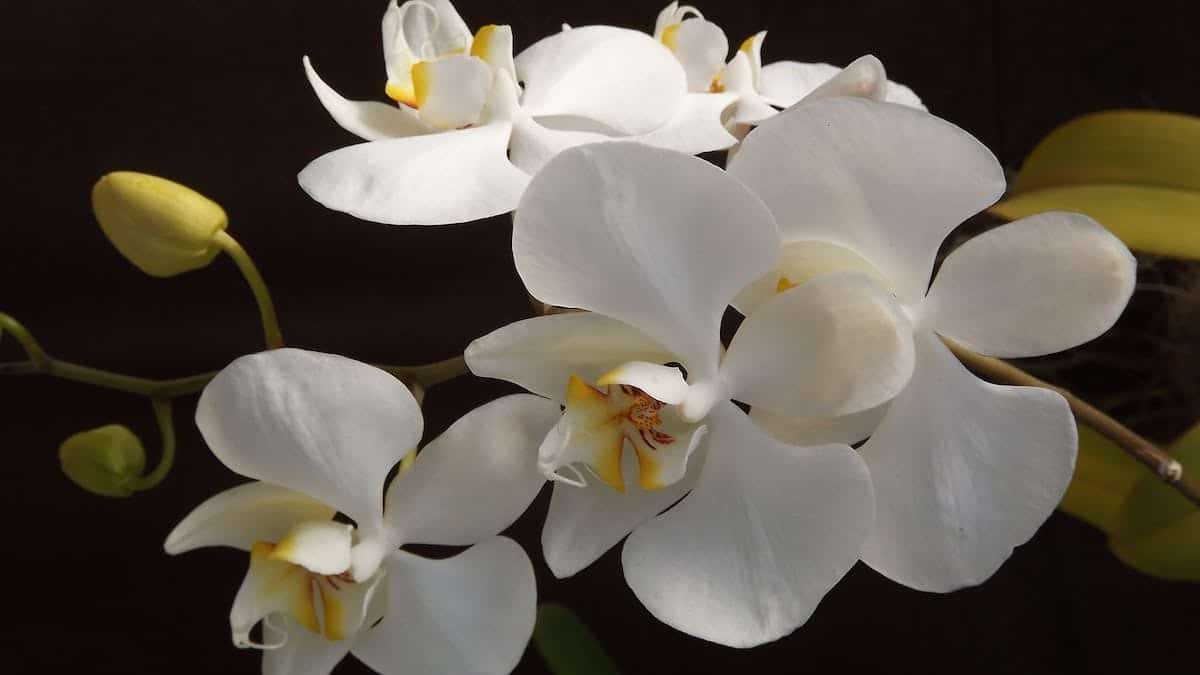
Causes of Wilting in an Orchid
To revitalize your wilted orchid, you can also use natural stimulants. By using organic products such as marine algae extracts rich in nutrients or plant hormones, you help the plant regain its vigor and encourage the growth of new roots and leaves.
Another tip is to closely monitor the condition of your orchid and intervene at the first signs of weakness. Be sure to remove it immediately to prevent any spread.
A regular supply of specific nutrients for orchids, in liquid or solid form, can be beneficial to stimulate the plant’s immune system and thus enhance its resistance to external attacks.
Don’t hesitate to adjust the ambient humidity. Tropical orchids generally appreciate a relative humidity level between 50% and 70%. You can lightly mist the leaves with warm, non-limestone water to replicate their natural environment.
Do not overlook the crucial role of the love bug. The presence of this little butterfly is a sign that your orchid is receiving adequate pollination. If you notice the absence of these beneficial insects, it may be wise to attract them by placing nearby nectar-rich plants.
With a bit of patience and careful attention to the specific needs of each orchid, it is entirely possible to bring your wilted plant back to life.
Revitalizing a Wilted Orchid: Effective Tips
When you want to prevent your orchid from wilting, consider taking certain precautions. Ensure that your plant is placed in a location suited to its specific needs. Orchids are delicate plants that require filtered, indirect light to avoid leaf burn.
It is also crucial to regularly monitor watering. Too much water can lead to root rot, while a lack of moisture can cause the plant to dry out. It is therefore recommended to use a well-draining substrate to avoid any excess standing water and to closely monitor the state of the soil before each watering.
Note that orchids are sensitive to extreme temperature fluctuations. Therefore, avoid cold or hot drafts as well as sudden changes between day and night. Maintain a stable ambient temperature around 20-25°C to ensure an ideal environment for your plant.
Regular fertilization is also an essential measure to prevent premature wilting of orchids. Use a specific orchid fertilizer rich in trace elements such as phosphorus and potassium, which promote their healthy and balanced growth.
Be vigilant about potential pest attacks such as mealybugs or aphids that can weaken the plant and lead to wilting. Regularly inspect the leaves, stems, and roots for any suspicious presence of insects or disease.
By following these precautions, you minimize the risk of premature wilting of your orchid. Remember that each species has its own specific needs, so don’t hesitate to research the particular recommendations for your orchid variety to provide it with the best possible environment.
Preventing Wilting in an Orchid: Essential Tips
To bring your wilted orchid back to life, there are a few simple and effective tricks. The first is to remove the wilted flowers. By eliminating these affected parts, you allow the plant to focus its energy on developing new buds.
It is also recommended to regularly aerate the orchid. This promotes optimal air circulation around the leaves and thus prevents the risk of fungal diseases. However, be careful not to expose the plant to too strong drafts that could damage its fragile petals.
Another method often used to stimulate flowering is the ‘warm bath’ technique. Gently immerse the pot in a container filled with warm water for about 15 minutes. This technique mimics the natural growing conditions of orchids, which are often exposed to tropical downpours. The warm water penetrates the roots, promoting hydration and thus activating their immune system.
Don’t hesitate to provide an additional light source, such as a special plant lamp or a horticultural LED bulb suited to the needs of orchids. This will help compensate for a lack of natural light and encourage more effective photosynthesis.
By adopting these various measures such as regular cleaning, aeration, warm baths, and additional light supply, you have all the keys to bring your wilted orchid back to life. Be patient and persistent, as it sometimes takes time to see results. Provide your plant with an environment conducive to its flourishing, and it will reward you with a splendid bloom.