Maintaining a vehicle involves more than just changing the engine oil or inflating the tires. A car’s total cost of ownership includes energy, routine maintenance, insurance, unexpected repairs and tire wear. Looking only at the purchase price and advertised fuel consumption often leads to underestimating the true cost over three or five years.
Total cost of ownership: the expenses the purchase price doesn’t show
The natural instinct is to compare monthly payments or list prices. This approach overlooks several budget items that can add up once the vehicle is on the road.
A summary of ADEME data notes that, for an electric vehicle, for example, energy costs are generally lower and maintenance is less expensive, but insurance and certain repairs can cost more. Tire wear is also worth monitoring, particularly on models that are heavier than their combustion-engine equivalents.
To compare two cars reliably, it’s best to add up five costs over the planned ownership period:
- Energy (fuel or electricity), based on actual annual mileage rather than a standardized test cycle
- Scheduled maintenance (oil changes, filters, brakes, timing belt if applicable) and out-of-warranty repairs
- Insurance, whose cost varies considerably depending on the powertrain, vehicle weight and market value
- Tires, whose replacement frequency depends on vehicle weight and driving style
- Depreciation, often the biggest expense for a new vehicle, but less visible because it doesn’t appear on a bank statement
Browse Significatif’s car advice to see this approach applied to different powertrains and budgets.

Preventive car maintenance: checks that help avoid costly breakdowns
Thorough preventive maintenance is the most direct way to keep car costs under control. Three regular checks are enough to prevent most avoidable failures.
Fluid levels and filters
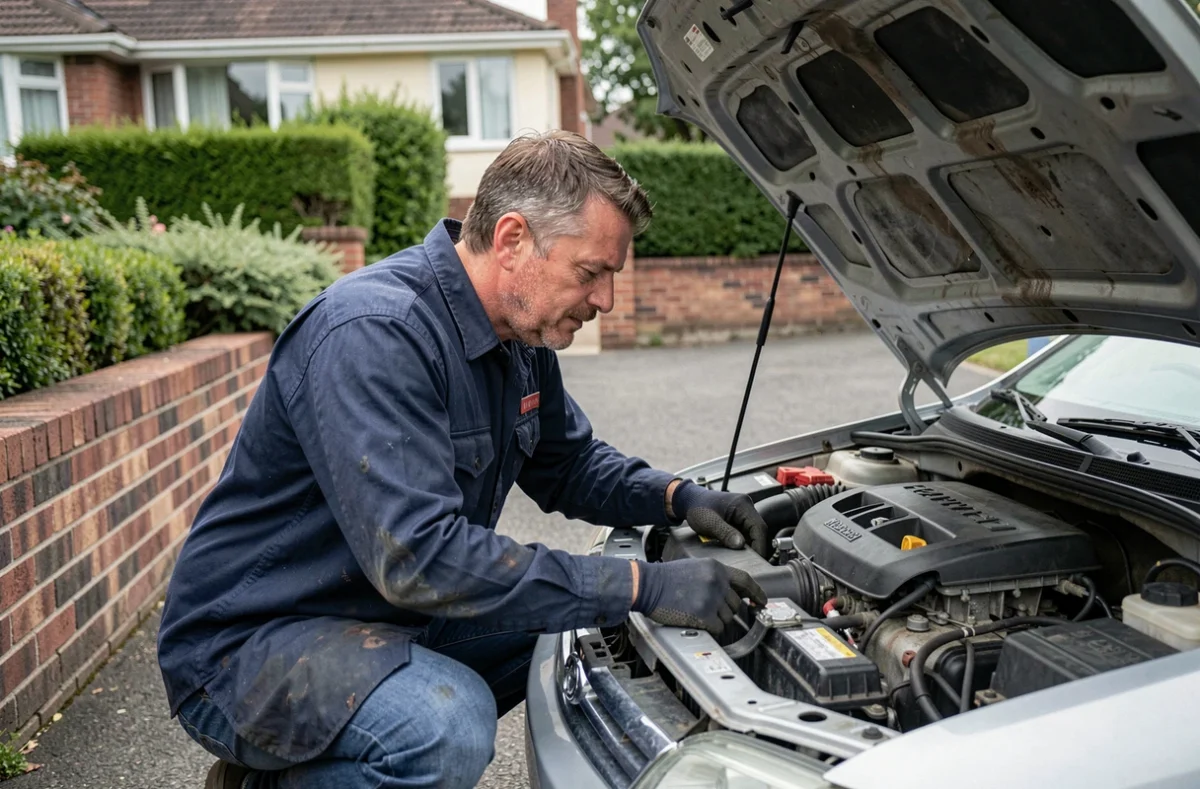
Checking the engine oil, coolant and brake fluid levels when the engine is cold takes just a few minutes. If low coolant levels go unnoticed, the engine can overheat, leading to repairs that cost several times more than a simple oil change.
Filters (air, cabin and fuel) gradually become clogged. A clogged air filter increases fuel consumption and puts extra strain on the engine. The manufacturer’s maintenance schedule specifies replacement intervals, but driving in dusty areas or heavy city traffic may call for more frequent changes.
Brakes and tires
On most vehicles, brake pad thickness can be checked visually through the wheels. Metal wear indicators produce a characteristic squeal when replacement becomes urgent. Waiting for this warning risks damaging the brake discs, which are much more expensive to repair.
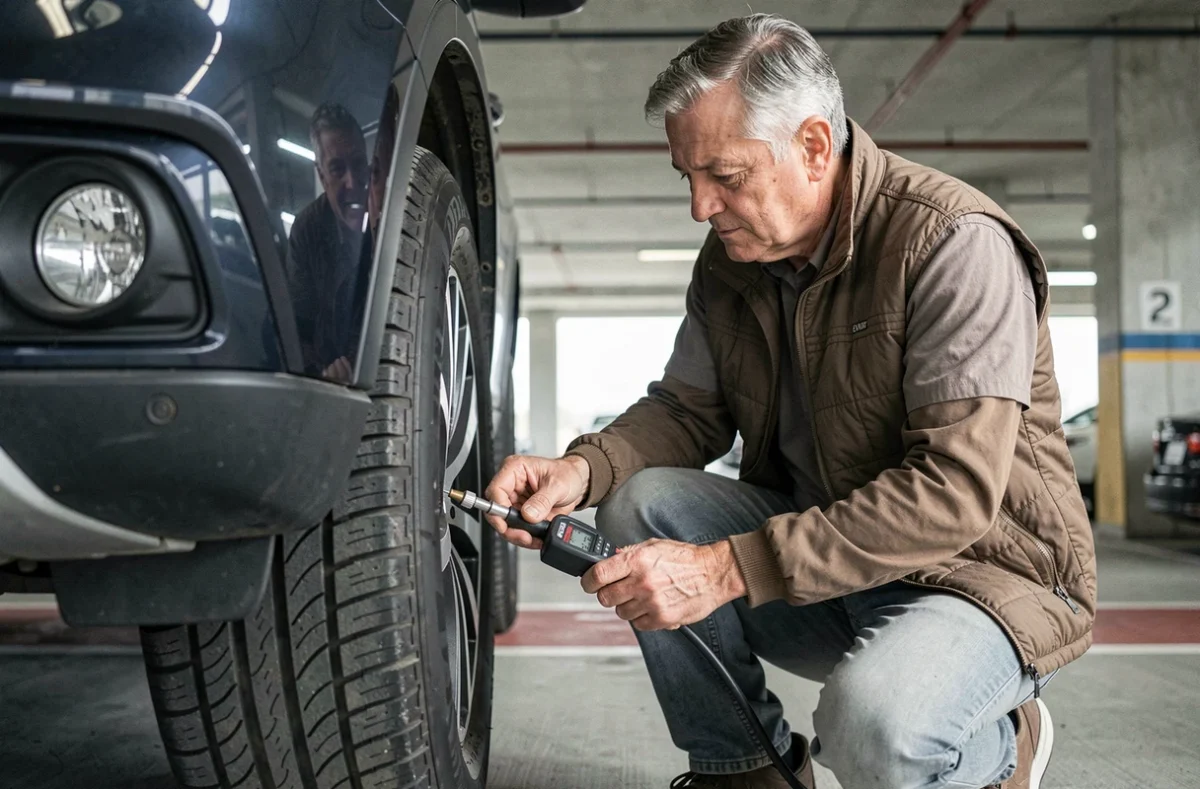
For tires, the minimum legal tread depth is indicated by wear bars built into the tire. Checking tire pressure once a month reduces uneven wear and improves road handling.
Safety recalls and roadworthiness tests: two checks to make before buying
Buying a used vehicle without checking its safety recall history can lead to extra costs and, more seriously, pose a real safety risk. Some recalls involve critical components such as airbags, power steering and the braking system.
Roadworthiness tests now check for certain serious safety recalls. Before buying, check the manufacturer’s website or the DGCCRF database to find out whether any recalls are still outstanding for the vehicle you’re considering. This is a useful addition to a standard mechanical inspection.
Regulations are regularly updated, strengthening inspection requirements. Checking the date of the last roadworthiness test isn’t enough: you also need to make sure the vehicle meets the requirements in force at the time of purchase, not just those that applied during its previous test.
Electric vehicles: check actual eligibility before signing
France has changed how financial assistance for buying a new electric car works. The amount shown in an advertisement doesn’t guarantee that the model you choose qualifies.
Eligibility depends on several criteria combined: a price cap, a weight limit and an environmental score based on manufacturing. A high-end version of a model may be excluded even if its entry-level version qualifies. To check, compare the vehicle’s exact reference (not just its commercial name) against the conditions in effect on the order date.
This requirement also affects the total cost calculation discussed above. An electric vehicle advertised at an attractive price after deducting a grant that turns out to be unavailable can throw off the entire budget projection.
Engine diagnostics: when onboard technology isn’t enough
Modern vehicles have sensors that continuously monitor emissions, temperature, oil pressure and dozens of other parameters. An illuminated engine warning light on the dashboard indicates that the engine control unit has stored a fault code.
Reading the code with an OBD diagnostic scanner, available for a few dozen euros, provides an initial indication. The code identifies the system involved (oxygen sensor, EGR valve, pressure sensor), but not necessarily the faulty part. Replacing a component based solely on a code, without further checks, can sometimes lead to unnecessary expense.
For intermittent problems or multiple faults, having a professional use a manufacturer-specific diagnostic tool remains the most reliable solution. The cost of an in-depth diagnostic is only a fraction of the price of a repair carried out without first identifying the problem.
A well-maintained vehicle, purchased after checking its safety recalls and assessed based on its total cost of ownership, is the best way to avoid unwelcome budget surprises. One final useful step before buying: add up the five actual expense categories rather than relying solely on the price shown in the listing.