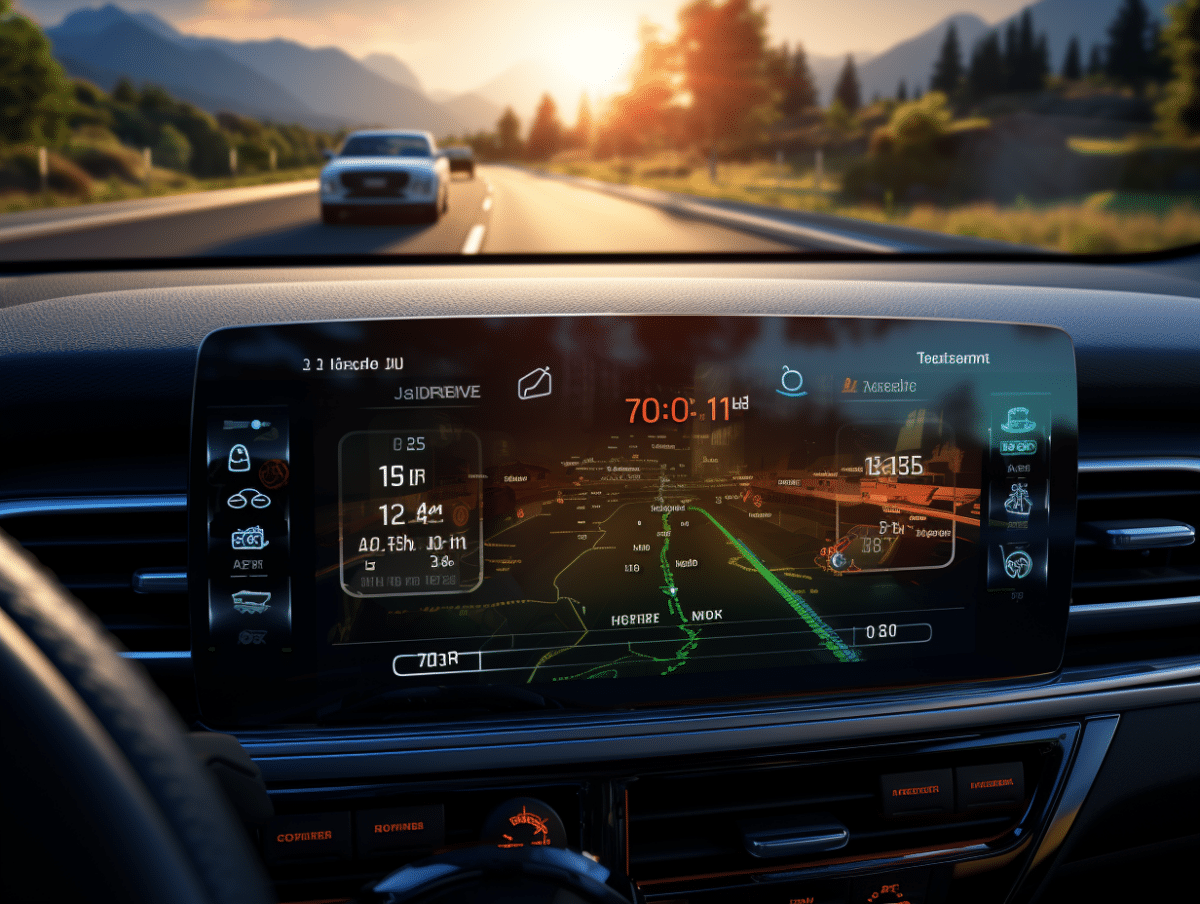
Road safety is a major issue that constantly mobilizes technological innovation. In a world where vehicles are increasingly connected and autonomous, new solutions are emerging to prevent accidents and save lives. From advanced driver assistance systems to real-time traffic management applications, the latest technologies offer promising prospects for reducing risks on the road. These innovations, which integrate artificial intelligence, V2X (vehicle-to-everything) connectivity, and big data analytics, are redefining how drivers interact with their environment and heralding a future where road safety is greatly improved.
The Latest Advances in Road Safety
At the crossroads of technology and prevention, road safety is undergoing an unprecedented transformation thanks to the emergence of the latest innovations. Among these, roll stability control and collision alerts stand out, embodying the new generation of safety technologies that equip modern vehicles. These devices, designed to anticipate and react to emergency situations, form a protective barrier between road users and the risks of accidents. Industry giants, such as Toyota Motor Corporation, are at the forefront of these developments, offering increasingly safer vehicles.
The concept of Automotech takes on its full meaning in this context, referring to the advanced integration of technologies for the benefit of mobility and road safety. These advancements represent a giant leap towards reducing road accidents, thanks to the fusion of high-precision sensors and artificial intelligence algorithms. The latter continuously analyze the collected data to prevent collisions, adjust driving according to road conditions, and even take control of the vehicle in case of driver inattention. Furthermore, communication and awareness campaigns remain a fundamental pillar for promoting responsible driving. These joint efforts between technological innovation and driver education aim to create a road ecosystem where safety results from a synergy between humans and machines. The widespread adoption of these advanced automotive safety technologies marks the beginning of an era where the number of fatal accidents could be significantly reduced, realizing the ambition of a safer road for all.
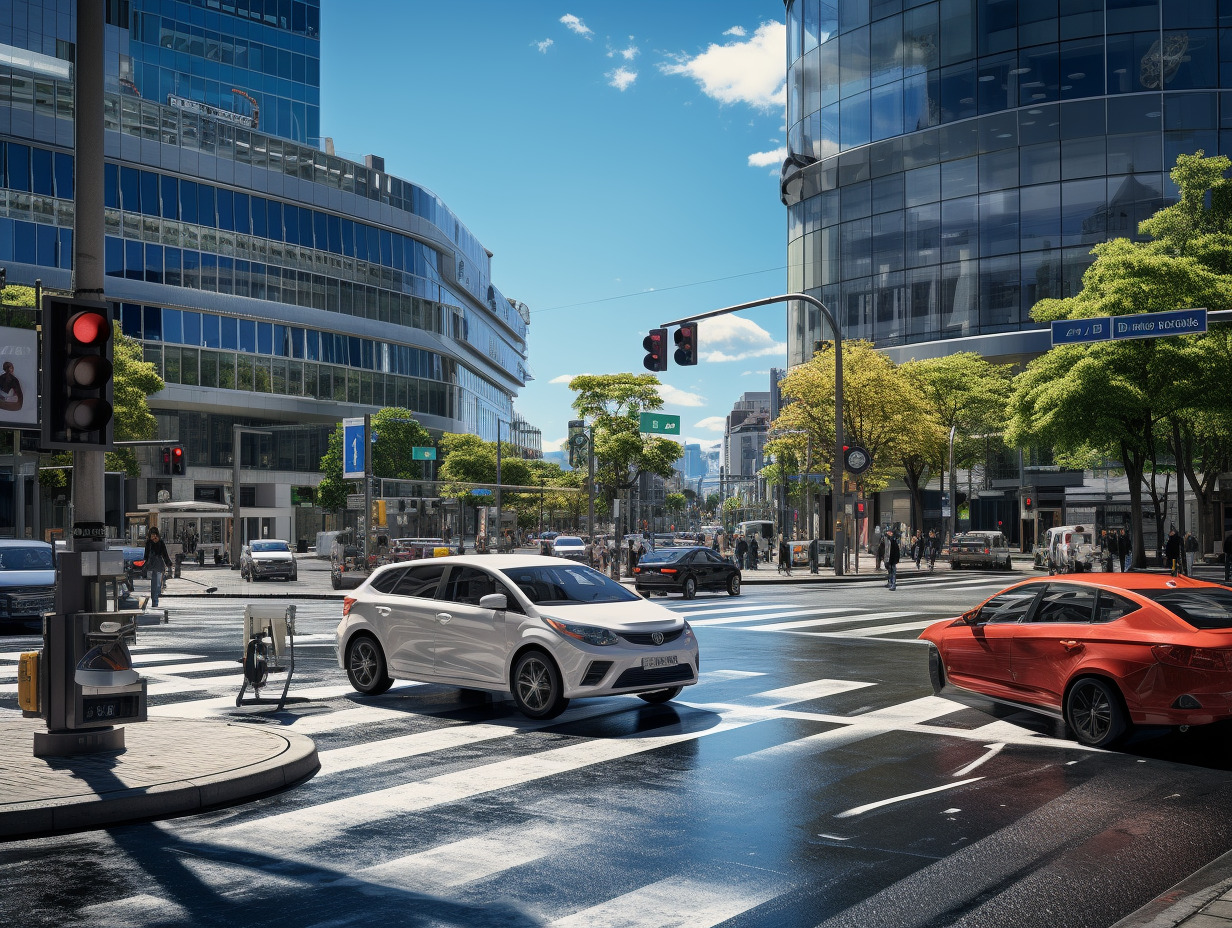
The Impact of New Technologies on Accident Prevention
The statistics are relentless: according to industry experts, over 90% of fatal road accidents are attributable to human errors. In this context, autonomous vehicles, equipped with intelligent systems, present a decisive response to this issue. By eliminating the human factor, these next-generation cars promise to reduce the number of accidents, offering a reassuring perspective for the future of mobility.
The rise of road safety technologies is based on the increasing use of artificial intelligence (AI). This technology, integrated at the heart of autonomous vehicles, allows for continuous and in-depth analysis of the road environment. Decision-making and action, previously the domain of humans, are now performed by machines capable of learning, adapting, and avoiding perilous situations much more effectively than their flesh-and-blood counterparts. Moreover, innovations in automated safety are not limited to fully autonomous cars. Devices such as roll stability control and collision alerts are now integrated into models accessible to the general public. These advanced automotive safety technologies, developed by companies like Toyota Motor Corporation, are designed to intervene even before the driver perceives the imminent danger, thus contributing to a notable decrease in accidents.
The complementarity between these systems and awareness campaigns confirms that accident prevention does not solely reside in the sophistication of equipment but also in driver education. Communication efforts aimed at promoting responsible driving are essential to maximize the effectiveness of emerging technologies. It is in this symbiosis between technological innovation and individual responsibility that the key to increasingly optimized road safety lies.