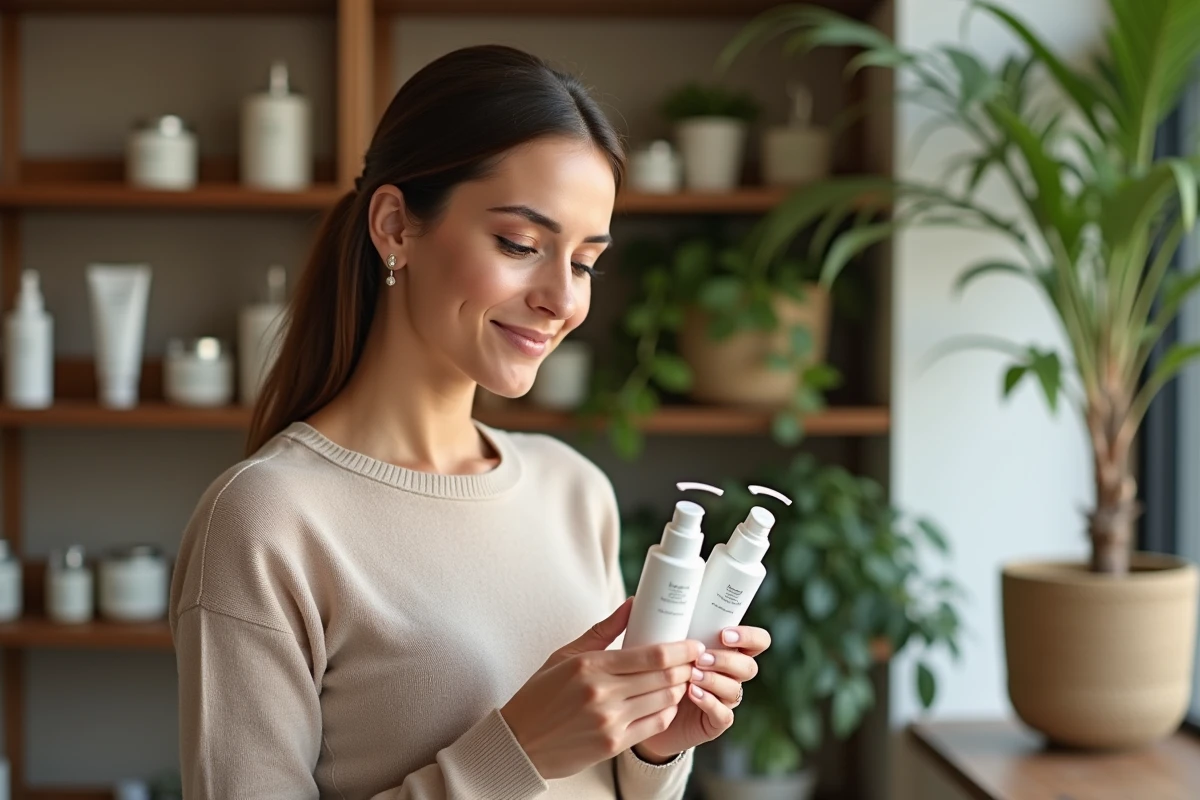
Multinationals are injecting significant resources into the race for naturalness, while historic brands rely on a base of seasoned customers. The lines are shifting: the explosion of online commerce and the rise of ethical concerns are disrupting the balance of the sector. Faced with the proliferation of labels and the overhaul of product ranges, competition is becoming sharper. Newcomers and established brands are reinventing their messaging to attract consumers who are no longer convinced without proof of transparency or commitment.
The cosmetics market in full transformation: what dynamics shape the competition?
The cosmetics market in France is undergoing a true metamorphosis. Yves Rocher, a pioneer of plant-based cosmetics, relies on a sprawling distribution network: nearly 2,500 stores worldwide, including 650 in France. A solid legacy, yes, but this model is no longer unshakeable.
The rise of digital is reshuffling the cards: brands with strong identities, bold strategies around customer relationships, reimagined store experiences… everything is turned upside down. Expectations have hardened. Now, an effective and affordable cream is no longer enough. Consumers demand clear formulas, tangible traceability, and concrete actions for the environment. Physical shelves and online displays are blooming with organic, vegan, and advanced certifications. Trends from elsewhere, such as clean beauty and the hunt for controversial ingredients, are gaining ground. In-store, the journey is transforming: expert advice, rewarded loyalty, connected services, nothing is overlooked.
Want an overview of the brands sharing the arena with Yves Rocher? Check out Yves Rocher’s competition according to Babioles Beauté, which dissects the shifting game between heritage labels, digital pure players, and niche brands. In this minefield, only those who innovate, maintain a real closeness with their customers, or anticipate expectations manage to stand out. In this laboratory that is France, we are witnessing a recomposition: effectiveness and meaning dictate preferences.
Which brands stand out today against Yves Rocher?
The competitive landscape has never been so fluid. For a long time, Yves Rocher dominated the affordable plant-based cosmetics market, boasting a vast assortment and record loyalty. The numbers speak for themselves: according to Ipsos/Bonial 2025, the brand retains its status as a favorite among the French, while the Cosmetify Index 2022 places it at the top of the most popular brands online. Abundant offers, attractive discounts, in-house ambassadors, from Pure Chamomile cream to flagship fragrances, everything is tailored for a broad audience.
But the landscape is changing. The boundaries between tradition and innovation are blurring. Rising generations place organic, vegan, and cruelty-free on the same level as the effectiveness of products. Purely digital brands, armed with tight-knit communities, are shaking up the industry with limited editions and instant communication. Niche brands focus on the effectiveness of active ingredients, transparency of ingredient lists, and tailored advice.
The acquisition of Sabon by the Yves Rocher group is a signal: it aims to broaden its offer, diversify its universes, and gain ground in new markets. Now, differentiation also comes from the variety of ranges, speed of delivery, and the introduction of vegan cruelty-free options. Even a nuance in customer experience, a unique formula, or an innovative service can sway the choices of a seasoned and informed clientele.
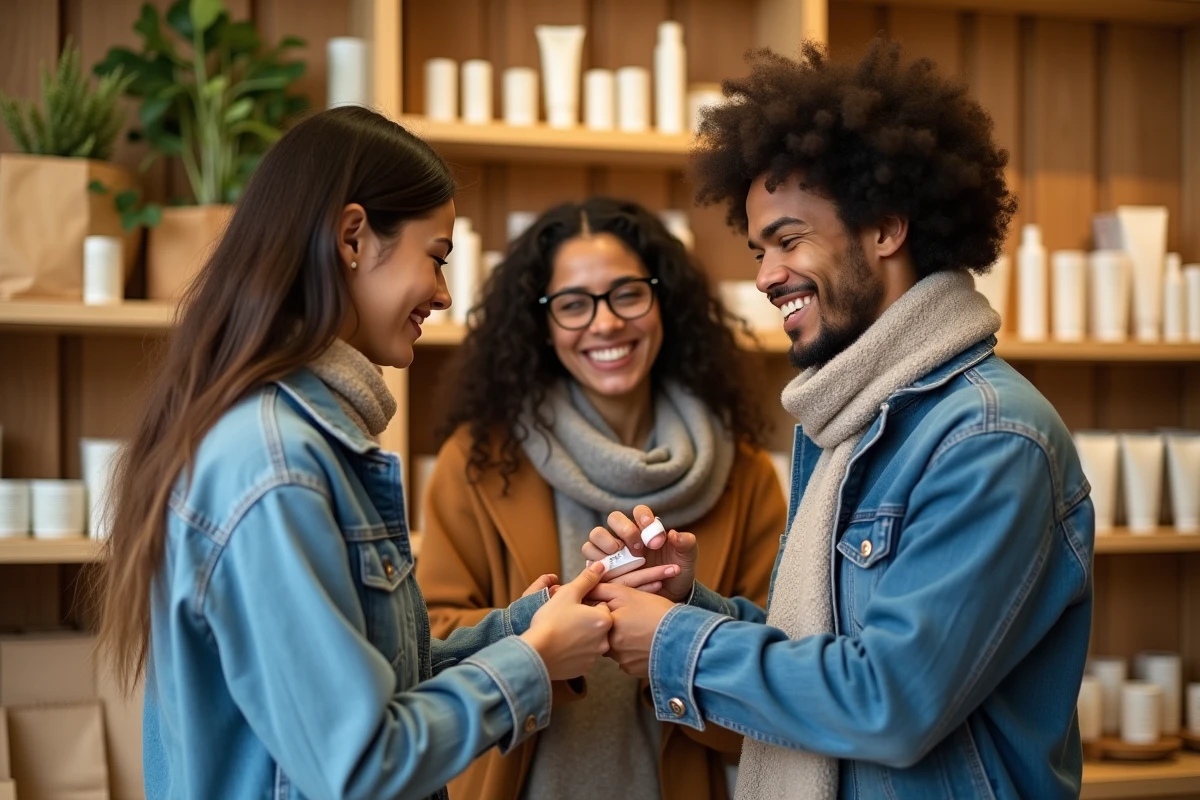
Innovation, ethics, and naturalness: the new values that attract consumers
Habits have evolved. The search for naturalness no longer reigns alone. Now, every cosmetic purchase carries the weight of strong expectations: transparency, consistency, measurable commitment. For millennials, the composition, origin, and responsible approach are scrutinized closely. A product is only valuable if it ticks the boxes: organic, vegan, cruelty-free… in addition to being effective.
To meet this demand, brands are active on several fronts. Here are the main axes guiding their strategy:
- Investing in pioneering active ingredients: plant-based hyaluronic acid, rare and innovative extracts.
- Imagining more understated, recyclable, and easy-to-reuse packaging.
- Developing local sourcing and tightening the environmental footprint.
The tone is changing: influencers, tutorials on social networks, customer feedback are at the heart of exchanges. On Instagram or YouTube, shared opinions, video advice, or live crash tests often gain traction. Loyalty also comes from personalized services, tangible benefits, free delivery, or a gesture of attention during the in-store experience. Some focus on the uniqueness of the territory, the valorization of French production, or a strong connection to nature, like the garden and museum of La Gacilly open to the public.
In this universe where every detail matters, the purchasing decision no longer belongs solely to the brands. It is negotiated, day by day, based on the consistency of a commitment and the ability to establish lasting trust. The future of the sector hinges on the balance between innovation, credibility, and genuine emulation, a challenge that only the most agile brands will be able to meet.