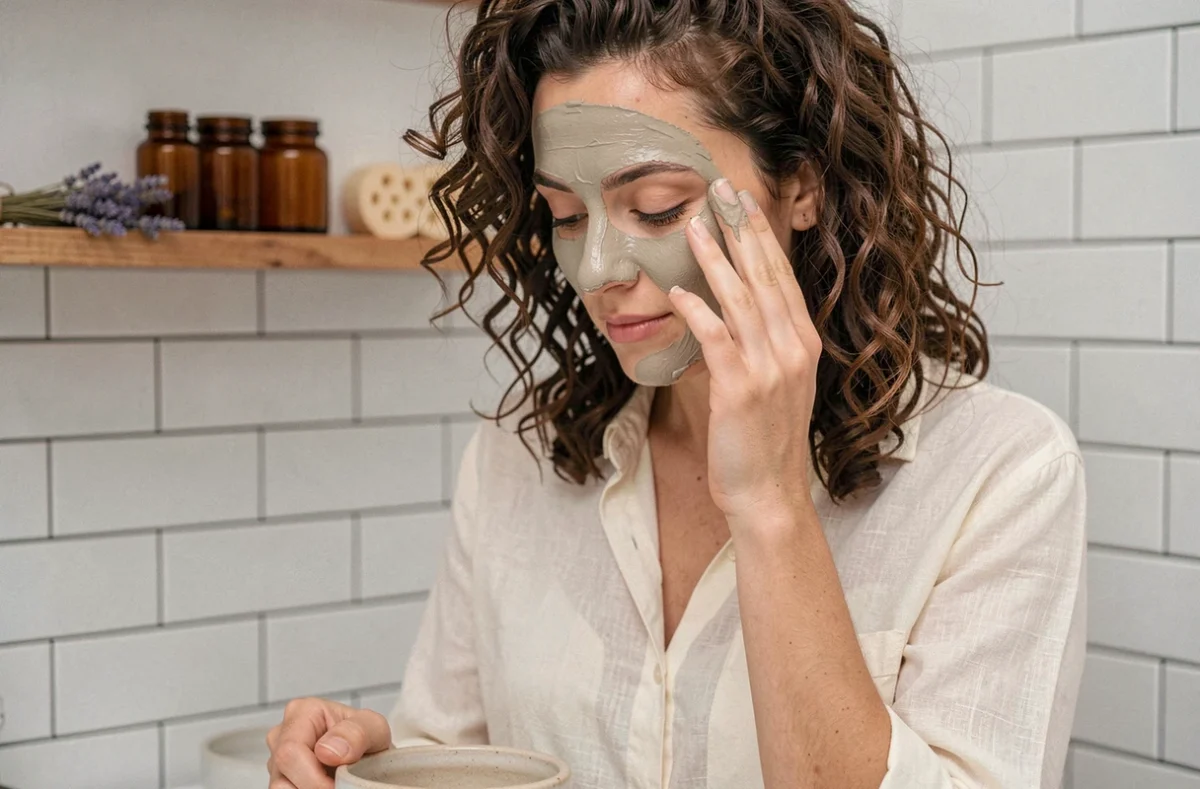
A cleanser, a cream, a serum, a mask, a mist, an eye cream: the bathroom is overflowing, and your skin isn’t necessarily any better for it. Switching to natural cosmetics doesn’t mean replacing every tube with a “green” equivalent. It means rethinking what your skin is exposed to—and, above all, what it actually needs.
INCI lists and labels: what “natural” really means on a cosmetic product
Have you ever turned over a bottle to read the ingredients? The INCI list (International Nomenclature of Cosmetic Ingredients) appears on all products sold in the European Union. Ingredients are listed in descending order of concentration.
A skincare product labeled “natural” isn’t subject to any harmonized legal definition in Europe. The term isn’t regulated in the same way as a certified label. Only the INCI list lets you check what a product actually contains.
Labels such as COSMOS Organic, COSMOS Natural, and Slow Cosmétique have precise standards: minimum percentages of ingredients of natural origin, bans on certain synthetic substances, and requirements for processing methods. Looking for one of these logos is still the most reliable way to distinguish a carefully formulated product from packaging that’s simply “green” for marketing purposes.
EU Directive 2024/825, which applies from September 27, 2026, also tightens the rules on vague environmental claims. Statements such as “environmentally friendly” or “green” will need to be substantiated with specific evidence. For a catalog of natural and certified skincare products, visit https://naturilys.fr/.

Natural skincare routine: three steps are enough for most skin types
Competitors lay out routines with five, six, or seven steps. Dermatology tells a simpler story. Healthy skin needs three daily steps: cleanse, moisturize, and protect from the sun.
Cleanse without stripping your skin
A gentle cleanser without harsh sulfates (such as sodium lauryl sulfate) respects the skin’s hydrolipidic film. Makeup-removing plant oils (jojoba, sunflower) dissolve makeup and sebum without leaving skin feeling tight.
A good natural cleanser should never leave your skin feeling “squeaky clean.” That sensation means the skin barrier has been compromised.
Moisturize according to the season and your skin type
Dry skin benefits from a rich cream made with shea butter or avocado oil. Combination to oily skin tends to prefer a lightweight serum or aloe vera gel. The goal isn’t to apply more, but to apply what’s right.
Adjusting your moisturizer to the season helps prevent unnecessary product buildup on your skin. In summer, a water-based serum often replaces cream. In winter, layering a plant oil on top helps protect skin from the cold.
Protect your skin from the sun
Mineral filters (titanium dioxide, zinc oxide) are found in most natural sunscreens. They reflect UV rays rather than absorbing them. Their texture used to leave a white cast, but newer formulas have largely addressed this issue.
Natural ingredients to know when choosing face and body care
Rather than listing dozens of active ingredients, here are some of the most versatile ones found in natural formulas:
- Jojoba oil: its composition is similar to human sebum, making it a balancing treatment suitable for almost all skin types, including oily skin
- Aloe vera: hydrating and soothing, it’s suitable for sensitive or irritated skin, either as a gel or in a cream
- Shea butter: nourishing and protective, it can be used on its own on dry areas (elbows, heels) or as a base in body balms
- Castor oil: often used to strengthen eyelashes and nails; apply sparingly
- Rose or cornflower floral water: used as a toner after cleansing, it refreshes skin without drying alcohol
A useful tip: check that the “star” ingredient appears in the first third of the INCI list. If it’s near the end, its concentration is too low to have a noticeable effect.
Microplastics in cosmetics: regulations that are changing formulas
Recyclable packaging gets plenty of attention. Microplastics inside the products themselves get less.
The European restriction adopted under the REACH Regulation is being phased in gradually. Exfoliating microbeads made from synthetic polymers are already covered by the ban. Other uses of plastic microparticles in cosmetic formulas will be phased out according to a staggered schedule.
In practice, this means plastic-bead scrubs are disappearing from store shelves. Natural alternatives have been around for a long time: apricot kernel powder, rice grains, sugar, and fine salt. They exfoliate effectively without releasing persistent particles into the water.
When choosing an exfoliant, check the INCI list for terms such as “polyethylene” or “polypropylene”. These names refer to plastics.
Cut back on products without compromising your beauty routine
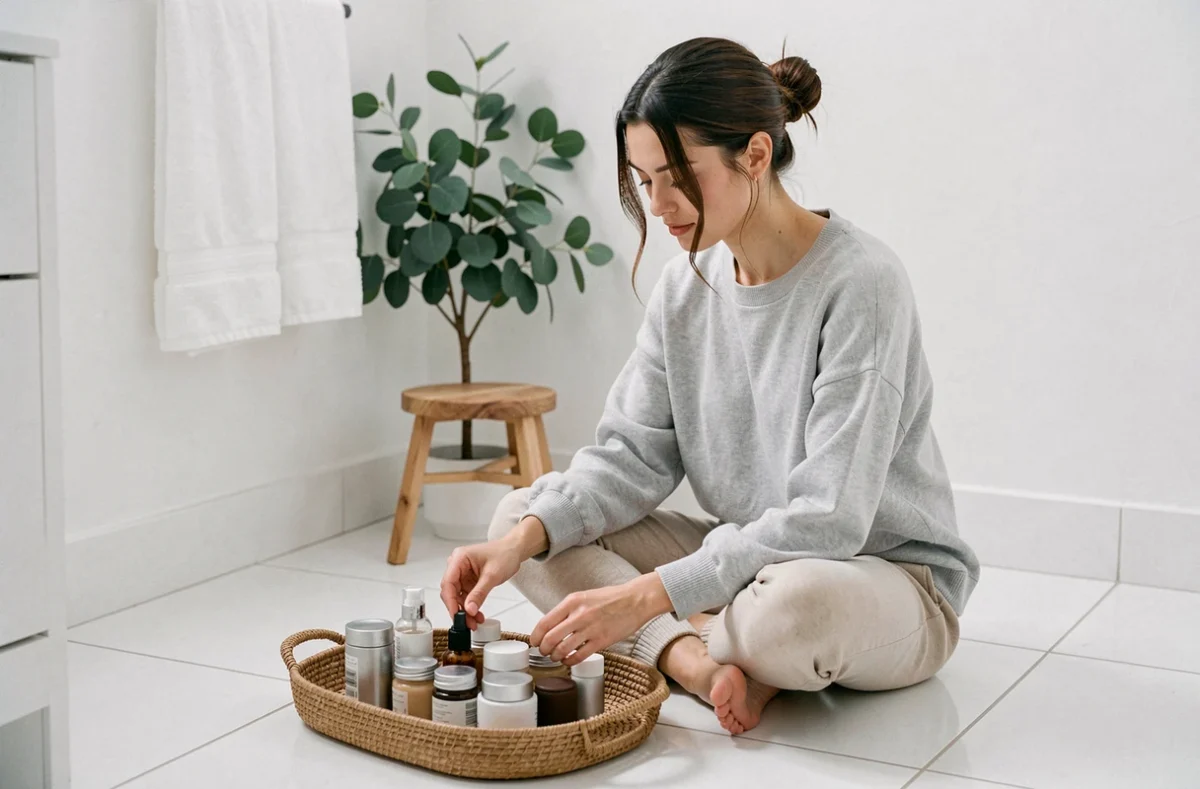
Cosmetic minimalism doesn’t mean giving up on skincare. It means getting rid of duplicates. A well-formulated hydrating serum can often replace a toner, an essence, and a lightweight cream. A versatile plant oil can be used to remove makeup, moisturize skin, and care for hair ends.
Before buying a new product, ask yourself one simple question: what specific role will it play in my routine, and is there already a product I own that does the same thing?
Fewer bottles in the bathroom also mean less plastic, less shipping, and less waste. A more responsible approach starts with sorting through what you’ve accumulated, not buying a whole new range of products.
Natural cosmetics don’t promise miracles. They offer easy-to-understand formulas, active ingredients whose purpose is clear, and a simpler relationship with what you apply to your skin every morning. The most useful step is still this: turn the bottle over, read the list, and make an informed choice.